
How to get better; what can Monet and the midfielder can teach us
Athletes have to decide how to get better every day. Surely there are techniques creatives can engage.
Trying to get better at anything is hard, but deciding how to get better is another thing altogether. This is something that athletes do professionally, publicly and under intense scrutiny.
This trope of the sport/life relationship can be meaninglessly parroted out in my local sporting environs. Local coaches roll out hackneyed clichés and punditry squeezes notions together to create bizarre non-speak.
Seasons of Australian Rules football puke up their own version of AI slop; terms that are put together to quickly and poorly describe the incredibly detailed, deliberate and complex plans of team tactics and player development.
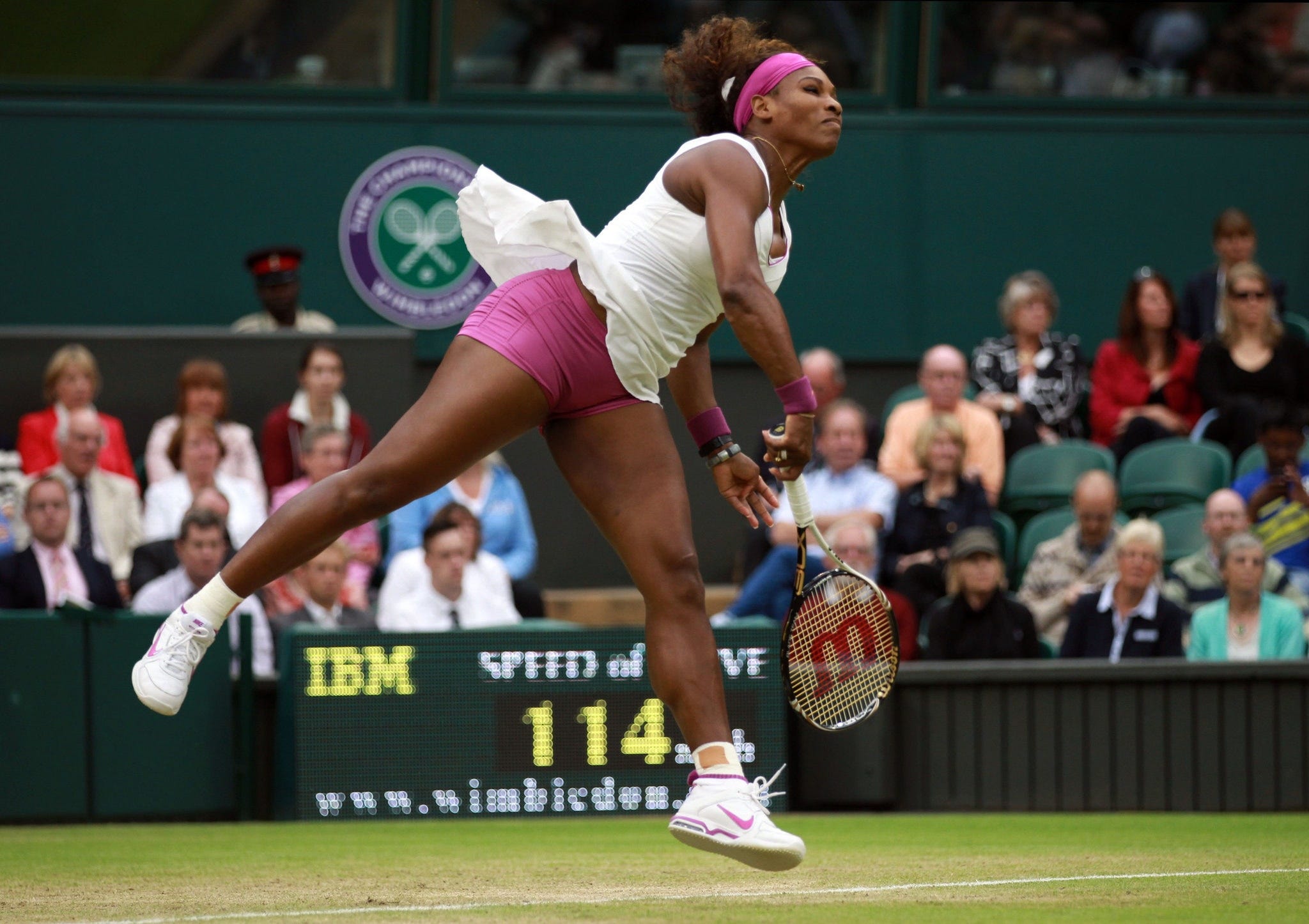
However, there’s plenty to be learned from our jocular comrades – constant revision and reflection, planning and iteration. Serena Williams obsessive review of her service motion captures this.
Getting better is an employment condition for professional sports. While top line athletes plan out, measure and critique their progress many of us creative types are not nearly as organised as this.
While athletes can have their training schedule and diet mapped out by a team of high-performance professionals, us creatives (or otherwise) are not so orderly/well resourced. We vibe on bits of tutorials, maybe do part of a course for some technical stuff, go see a film, stumble across things that inform our practise. Some of us even do a degree.
In extremis, the starving artist and meathead jock tropes are at polar ends of the spectrum in terms of approach. However, the lessons of sport can assist us beyond the aspirational.
Yes, perseverance is required, yes you’ve got to be brave in sport and life. Yes, you can get somewhere if you try; ok sports media with emotional soundtrack and slow-mo footage, we get that.
There are strategies that coaches and athletes deploy in training that are universal problem solving (hello cliché) exercises. In the same way soldiers are sent out on manoeuvres or students are set equations.
Claude Monet skilled up on capturing light by painting haystacks at sunset and sunrise. He kept a number of canvases to work on in any given day depending on the lighting conditions on the same subject. He worked these multiple canvases to explore the techniques to capture light.

He is considered a master of capturing light and he cited it as his obsession ‘Light is the most important person in the picture.’
This was his Degeba system. This was his preseason. This was his gym reps and turkey and ricotta salad.
Monet did the same thing in different circumstances over and over again. He was savvy enough to run outside after a storm to capture light as it changed to change the environs.
He made the decision to attempt to get better then set up a system to achieve progress.
Bradman had a stump and a golf ball, Pistol Pete dribbled a basketball to and from school in alternate hands. Tiger Woods did the Bunker Drill throughout his teens instead of going to parties.
Balls and brushes are the tools, but the practice is the same exercise in variance.
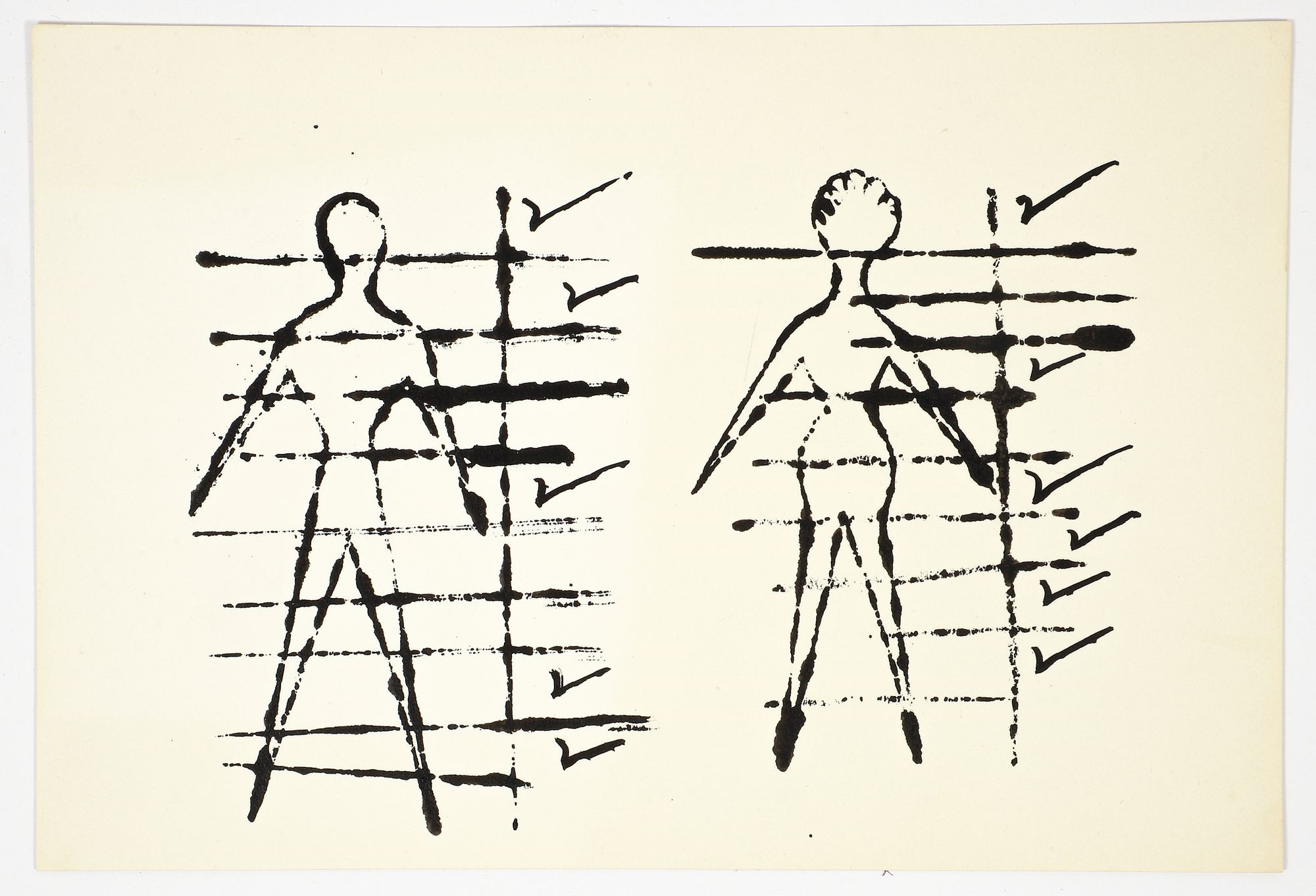
Warhol’s blotted-line technique was refined from his college years and over two decades as a commercial artist before creating 32 Campbell’s Soup Cans and turning the art world upside down.
Repetition to Warhol was soul-crushing drudgery, it was unifying iteration and refinement of his style.
Sure, the hunger and desire has to be there to get better. If 80% of success is showing up, then you’d better at least attend. The nous to automate varied circumstance while doing so is where the progress is made. The secret sauce, it seems, is to show up and find a way to enjoy the pursuit.
The important bit on getting better isn’t just doing heaps of one thing in one way. It’s doing heaps in different places, ways and spaces with different intentions and varied stakes.
I should point out here that doing so safely is encouraged. Mark Zuckerberg’s tech bro maxim to ‘move fast and break stuff’ is fine when it’s your stuff and not the foundations of decent society.
Finding a framework to allow your curiosity to flourish will keep on dragging you back to something that won’t feel like work.
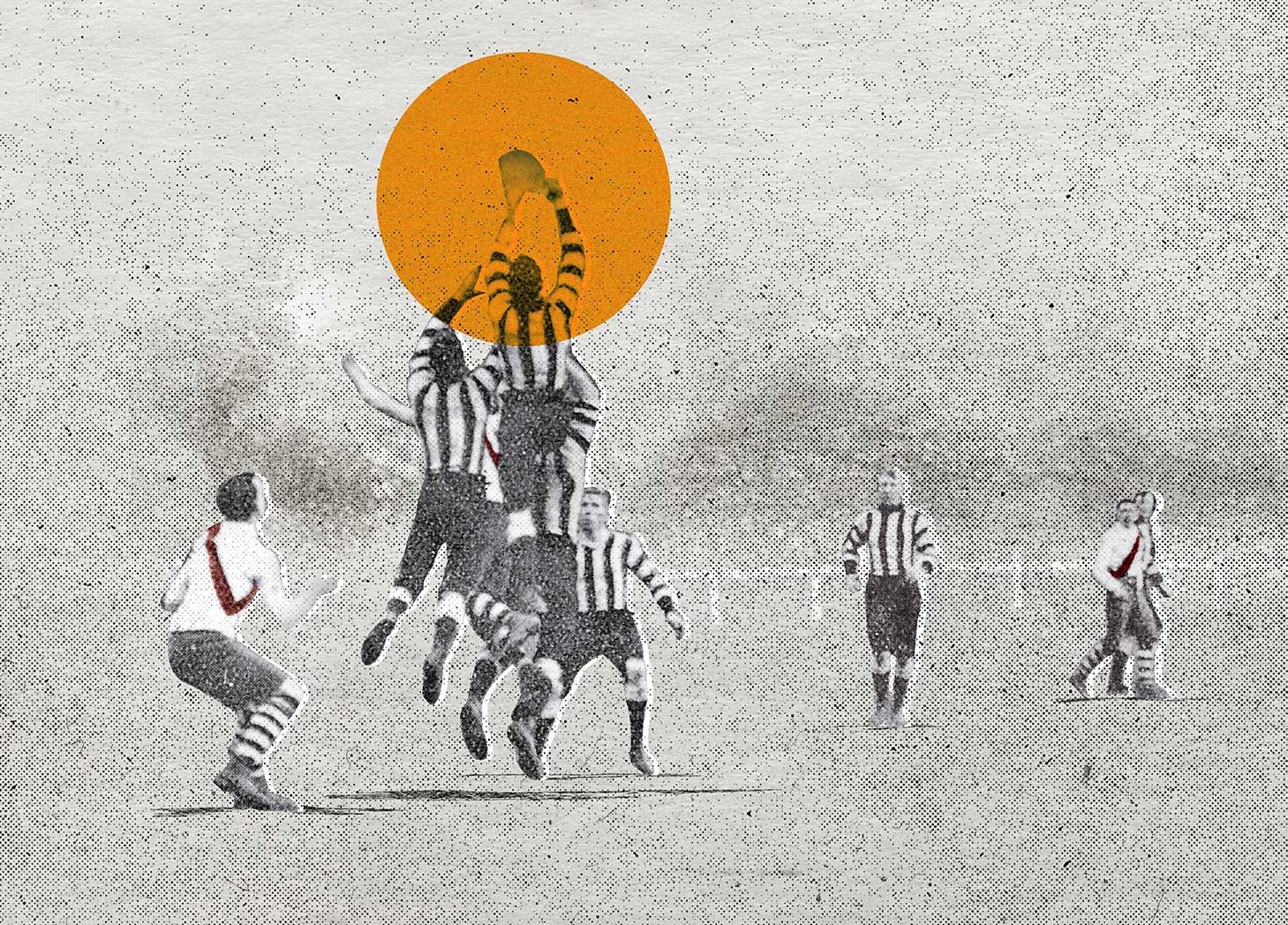
With some small experience I can tell you that this works. My own desire to improve my photomontage and design skills have led me to a rhythm that sees me waking very early. It has quickly become my favourite part of my day.
This began with a desire to get a new series of works done using a technique I liked. It’s outcome has not only been the series of works but a whole new website and journalling routine that is paying real dividends.
I’ll let you know more about how I approached this ‘mini preseason’ (cliché!) in upcoming posts.
Thanks for having a read. Dan Toomey is the writer of this and the Creative Producer at Fisher Classics. If you’d enjoyed this please subscribe for more articles like this, sporting and cultural moment as well as creative updates from the studio.
Fisher Classics is an independent creative studio based in Australia.
We specialise in sports visual identity, memorabilia, and storytelling — producing collectible artworks design work and art direction that celebrates the craft and memory of Australian and international sport.
My violinist daughter kept interrupting her rehearsal for a solo performance piece with running up and down the stairs. When I asked why, she said she was creating the physical signs of performance anxiety (increased heart rate, wobbly muscles) and practising with that. I was blown away. Such application and discipline!